Pediatric migraine is a type of headache that affects children and teens. Unlike adult migraines, pediatric migraine can look different and may be harder to spot. However, early recognition is important. In the United States, migraine in children is common and can impact school, play, and daily life. This guide explains what pediatric migraine is, its symptoms, causes, diagnosis, and treatment options. You will also find tips on how to prevent migraines in kids.
What is Pediatric Migraine?
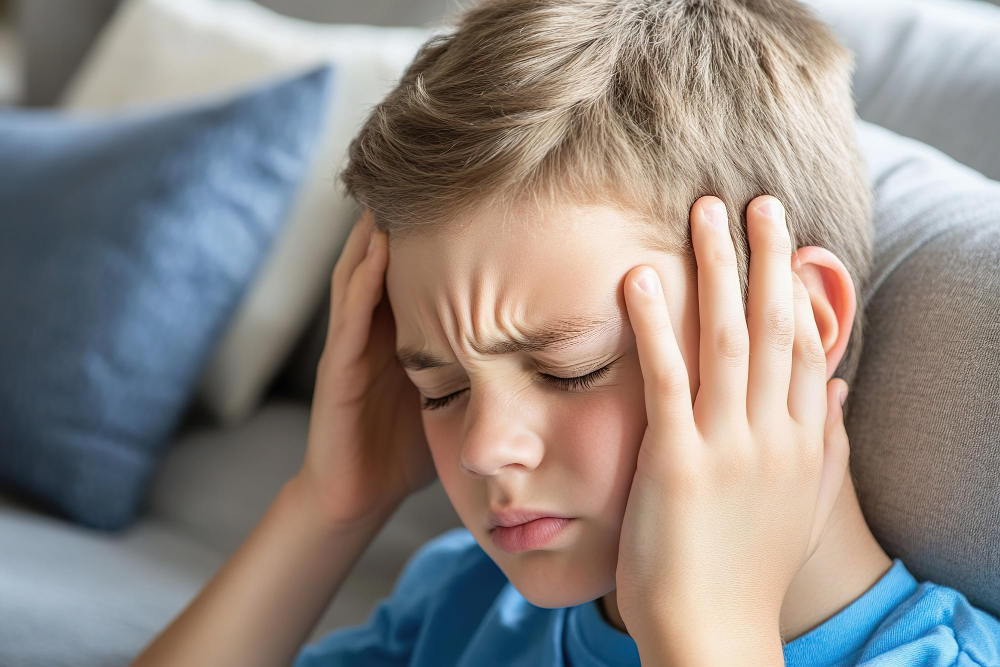
Pediatric migraine is a recurring headache that happens in children and teenagers. While adults often feel pain on one side of the head, children may feel pain on both sides. Sometimes, the pain is not severe, but it can still disrupt daily activities. For example, a child may need to rest in a dark room. Migraines in children can last from one hour to several days. According to the CDC, about 10% of school-aged children experience migraines.
Common Symptoms of Pediatric Migraine
Children may not always describe their pain clearly. Still, there are signs to watch for. Early detection helps with better pediatric headache treatment. Common symptoms include:
Sometimes, children may also feel tired or irritable before or after a migraine. In some cases, they may see flashing lights or have trouble speaking. These are called “aura” symptoms.
Causes and Risk Factors
While the exact cause of pediatric migraine is not fully known, several factors can play a role. Understanding these can help with prevention and care. Common causes and risk factors include:
For example, if a parent has migraines, their child is more likely to have them too. Also, triggers like stress or lack of sleep can make migraines worse.
How Pediatric Migraine is Diagnosed
Doctors use a careful process to diagnose migraine in children. First, they ask about the child’s symptoms and family history. Next, they may perform a physical exam. Sometimes, doctors ask parents to keep a headache diary. This helps track when headaches happen and what might trigger them. In most cases, no special tests are needed. However, if symptoms are unusual, a doctor may order brain scans to rule out other problems. According to the American Migraine Foundation, early diagnosis leads to better management and fewer missed school days.
Treatment Options for Pediatric Migraine
Treating childhood migraine symptoms often involves a mix of medicine and lifestyle changes. The goal is to reduce pain and prevent future attacks. Treatment options include:
Doctors may also suggest preventive medicines if migraines happen often. However, not all children need daily medicine. Always talk to a pediatric specialist before starting any treatment. The right plan depends on your child’s age, symptoms, and health history.
Lifestyle Tips and Prevention
While medicine can help, healthy habits are key to preventing migraines in kids. Here are some tips to lower the risk:
For example, keeping a headache diary can help spot patterns and triggers. In addition, talking openly with your child about stress or worries can make a big difference.
Conclusion
Pediatric migraine can affect a child’s life, but early care and healthy habits help manage symptoms. If your child experiences migraine symptoms, consult a pediatric specialist Dr Harish NV for personalized advice. Early support can improve your child’s well-being and daily life.