
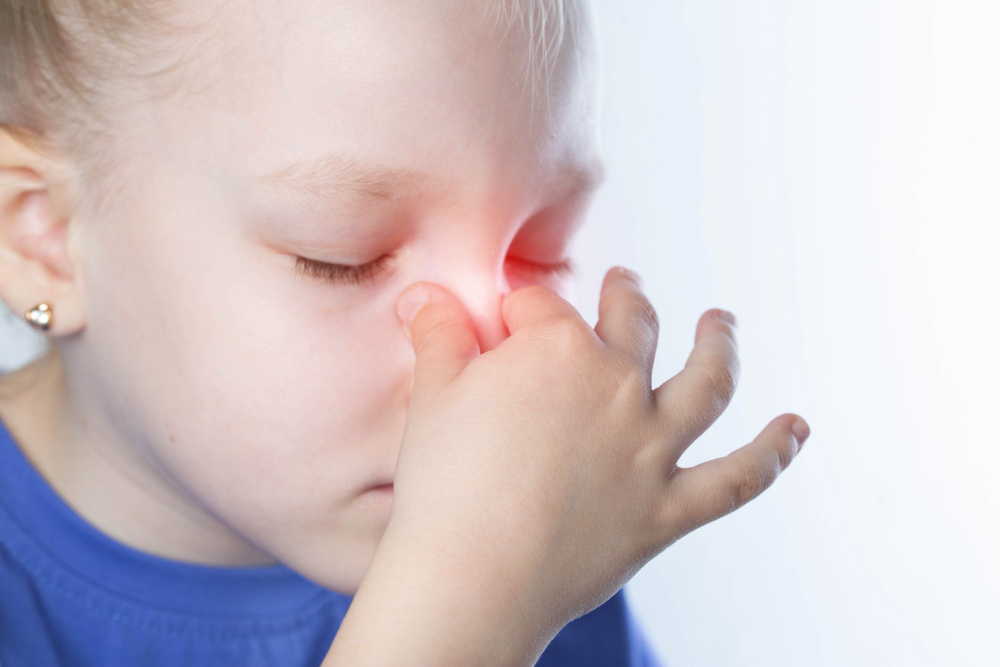
Many parents worry when their child gets frequent nosebleeds. Recurrent nosebleeds in children are common, but they can be scary. While most nosebleeds are not serious, some may need medical attention. Understanding why your child gets nosebleeds can help you manage and prevent them. In this blog, we will explain the causes of nosebleeds in children, when to worry, and how to help your child.
What Are Recurrent Nosebleeds?
Recurrent nosebleeds are nosebleeds that happen more than once over a short period. For example, if your child has several nosebleeds in a week, this is considered frequent. While a single nosebleed is usually not a cause for concern, repeated episodes may need a closer look. Often, children between ages 3 and 10 have more nosebleeds than adults. However, most cases are mild and easy to treat at home.
Common Causes of Recurrent Nosebleeds in Children
There are many reasons why your child may have frequent nosebleeds. Knowing the causes can help you prevent them. Below are some common causes of nosebleeds in children:
How to Recognize When Nosebleeds Are a Concern
Most nosebleeds in children are harmless. However, some signs mean you should talk to a doctor. For instance, if your child has nosebleeds that last longer than 20 minutes, seek help. Also, if the bleeding is very heavy or happens after an injury, medical care is needed. Sometimes, frequent nosebleeds in kids come with other symptoms, such as easy bruising or bleeding from other places. In these cases, it is important to get checked by a healthcare provider.
Diagnosis of Recurrent Nosebleeds in Children
Doctors often start by asking about your child’s health and nosebleed history. They may ask questions like, “Why does my child get nosebleeds so often?” Next, the doctor will examine your child’s nose and may look for signs of infection or injury. Sometimes, blood tests are needed to check for bleeding problems. However, most children do not need special tests. If the cause is not clear, your doctor may refer you to a specialist.
Tips to Prevent Recurrent Nosebleeds
There are simple steps you can take to help prevent nosebleeds in children. While not all nosebleeds can be avoided, these tips can lower the risk:
If your child has severe nosebleeds, consult Dr Harish NV