Iron deficiency anemia in children is a common health problem. It happens when a child does not have enough iron in their body. As a result, their blood cannot carry enough oxygen. This can affect growth, learning, and energy levels. Early detection and treatment are important for your child’s health. In this blog, you will learn about symptoms, causes, diagnosis, treatment, and prevention of iron deficiency anemia in children.
What Is Iron Deficiency Anemia in Children?
Iron deficiency anemia in children means the body has too little iron. Iron helps make hemoglobin, which carries oxygen in the blood. Without enough iron, children may feel tired or weak. In fact, this condition is the most common type of anemia in children worldwide. According to the World Health Organization (WHO), millions of children are affected, especially in developing countries. However, it can happen anywhere, including in cities and rural areas.
Common Symptoms
Often, symptoms of iron deficiency anemia in children can be mild at first. But as the anemia gets worse, signs become more noticeable. Watch for these symptoms:
Because these symptoms can be caused by other problems, it is important to talk to a doctor if you notice them.
Main Causes and Risk Factors
There are several reasons why children may develop iron deficiency anemia. Some children are more at risk than others. Here are the main causes and risk factors:
For example, babies who drink only cow’s milk before age one are at higher risk. Likewise, children with special diets may not get enough iron.
How Is It Diagnosed?
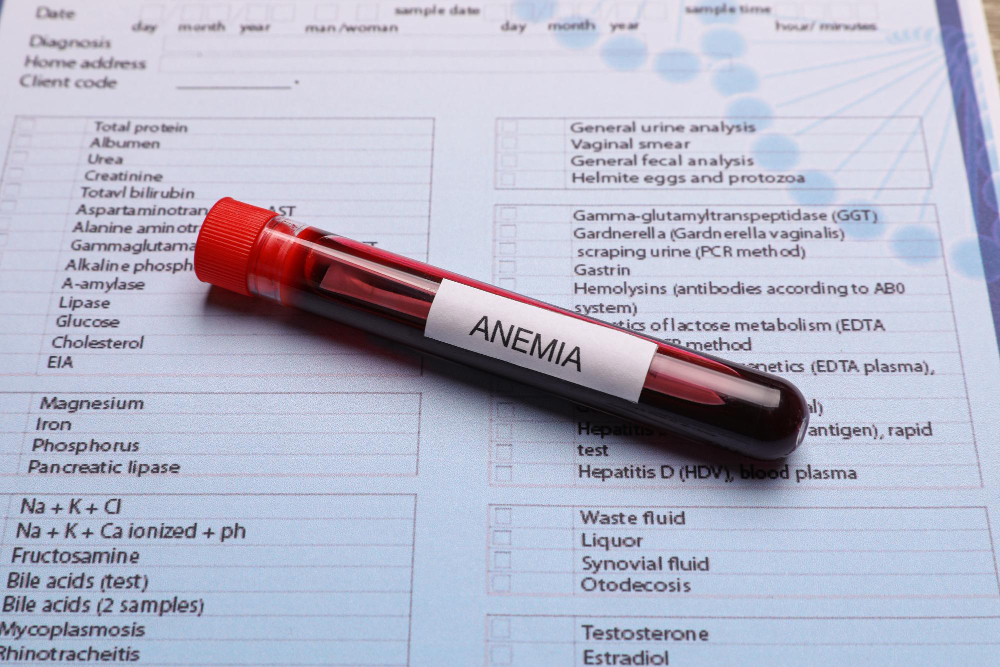
Doctors use several steps to diagnose iron deficiency anemia in children. First, they ask about symptoms and diet. Next, they do a physical exam. After that, they may order blood tests. These tests check for:
Sometimes, more tests are needed to find the cause. Early diagnosis helps prevent long-term problems. Therefore, regular check-ups are important, especially for children at risk.
Treatment Options
Treating iron deficiency anemia in children usually starts with diet changes. Doctors may also recommend iron supplements. Here are common treatment steps:
Most children start to feel better after a few weeks of treatment. However, it is important to finish the full course of supplements, even if symptoms improve. Always follow your doctor’s advice on dosage and duration.
Prevention and Healthy Lifestyle Tips
Preventing iron deficiency anemia in children is possible with healthy habits. Try these tips to keep your child’s iron levels healthy:
In addition, teaching children about healthy eating can help prevent future problems. Early action makes a big difference.
Conclusion
Iron deficiency anemia in children can affect growth, learning, and daily life. But with early detection and the right care, most children recover fully. If you notice symptoms or have concerns, consult Dr. Harish NV, a pediatrician, for personalized advice. Your child’s health and well-being are worth it.