What is a Headache in Children?
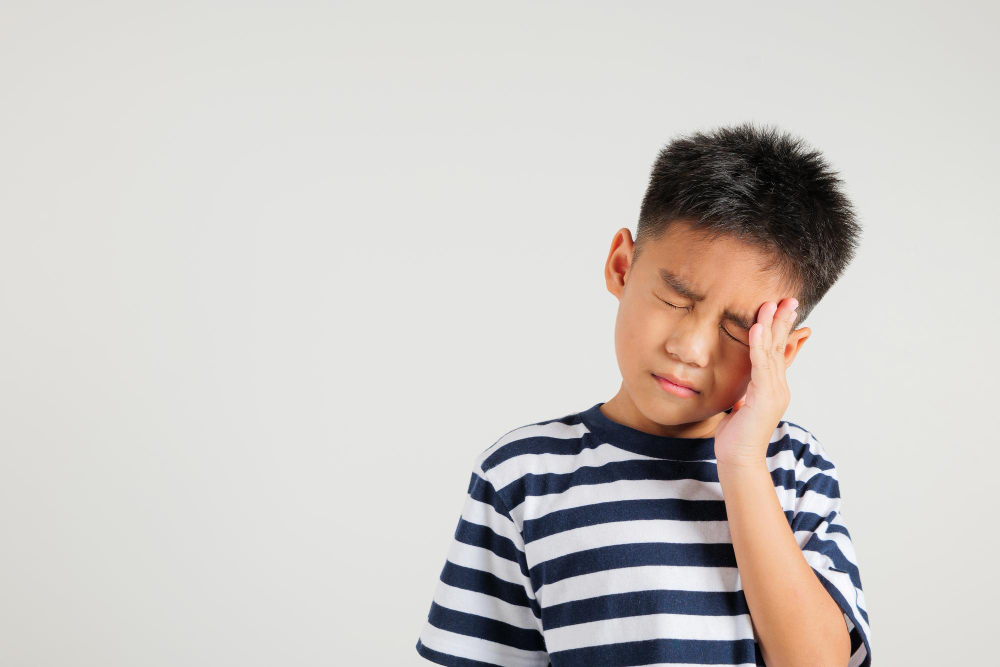
Headache in children is a common health issue. Many parents worry when their child complains of head pain. While most headaches are not serious, they can affect a child’s daily life. For example, headaches may cause missed school days or trouble with activities. Understanding headaches in children helps parents know when to seek help and how to provide comfort.
Common Symptoms
Children may describe headaches in different ways. Sometimes, they may not use the word “headache” at all. Instead, they might say their head hurts or feels heavy. Here are some common symptoms to watch for:
However, not all children will have every symptom. Some may only have mild discomfort, while others may feel very unwell.
Causes of Headaches in Children
There are many childhood headache causes. Some are simple, while others need medical attention. Below are common reasons children get headaches:
Sometimes, headaches can be a sign of a more serious problem. But most headaches in children are not dangerous.
How Headaches are Diagnosed
Doctors use several steps to diagnose headaches in children. First, they ask about the child’s symptoms and medical history. Next, they may perform a physical exam. In some cases, doctors ask about:
Usually, no special tests are needed. However, if the doctor suspects a serious cause, they may order tests like blood work or brain scans. According to the CDC, most childhood headaches are diagnosed based on symptoms alone.
Treatment Options
Pediatric headache treatment depends on the cause and severity. Often, simple steps help children feel better. For mild headaches, doctors may suggest:
For migraines or frequent headaches, doctors may recommend other treatments. These can include prescription medicines or therapy to manage stress. Always follow your doctor’s advice for pediatric headache treatment.
Home Care and Lifestyle Tips
Parents often ask how to help a child with headache at home. Here are some helpful tips:
With these steps, many children have fewer headaches and feel better overall.
When to See a Doctor
Most headaches in children are not serious. However, you should call a doctor if your child:
Early medical care can help find the cause and provide the right treatment.
Prevention Strategies
Although not all headaches can be prevented, some steps may lower the risk. Try these prevention tips:
With these habits, children may have fewer headaches and enjoy better health.
If your child experiences frequent or severe headaches, consult Dr. Harish NV, a pediatrician, for personalized advice. Early care can make a big difference in your child’s well-being.