Introduction
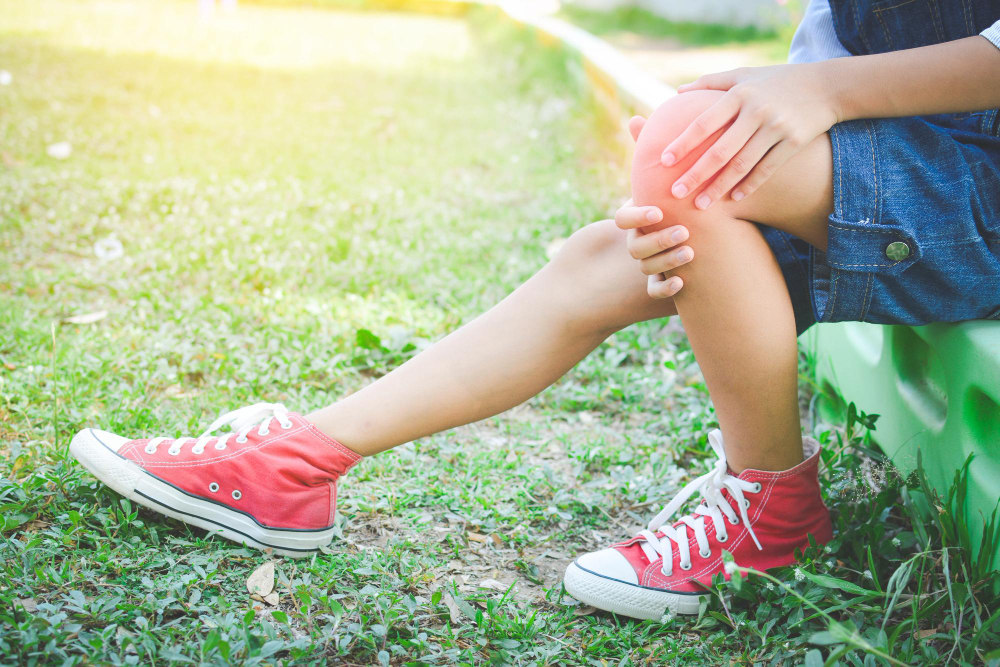
Many parents worry when their child complains of leg pain. Often, the cause is either growing pains or bone problems. But how can you tell the difference? Understanding growing pains vs bone problems in children is important. Early recognition helps keep your child healthy and active. In this blog, we will explain the key differences, symptoms, causes, and treatments. We will also share tips for parents in the US and worldwide.
Symptoms: Growing Pains vs Bone Problems
First, let’s look at the symptoms of each condition. While both can cause pain, there are important differences.
On the other hand, bone problems in kids may show different signs:
So, while growing pains are usually mild and come and go, bone problems often cause more severe or constant pain.
Causes of Growing Pains and Bone Problems
Now, let’s explore what causes these issues. Growing pains in children are common between ages 3 and 12. Doctors do not know the exact cause, but it is not due to bone growth. Instead, it may be linked to muscle use during the day or rapid growth periods.
In contrast, bone problems in kids have many causes. These include:
Because bone problems can be serious, it is important to watch for warning signs.
Diagnosis: How Doctors Tell the Difference
Doctors use several steps to find the cause of child leg pain. First, they ask about the pain’s timing, location, and severity. Next, they examine your child for swelling, redness, or tenderness. If needed, they may order tests such as:
Usually, growing pains do not show up on tests. However, bone problems often have clear signs on exams or scans. According to the CDC, early diagnosis helps prevent complications.
Treatment Options
Treatment depends on the cause. For growing pains, home care is often enough. You can try:
However, bone problems may need medical treatment. This can include:
Always follow your doctor’s advice for the best results.
When to See a Doctor
Sometimes, leg pain is a sign of a serious problem. Seek medical help if your child has:
Early care can prevent long-term issues.
Prevention and Home Care Tips
While you cannot always prevent growing pains or bone problems, you can help your child stay healthy. Here are some tips:
Additionally, keep track of any changes in your child’s pain or movement.
Conclusion
In summary, growing pains and bone problems in children can look similar but have key differences. Growing pains are usually mild, affect both legs, and improve with home care. Bone problems may cause severe pain, swelling, or limping and need medical attention. If you are unsure, consult a pediatrician Dr Harish NV for personalized advice if your child has persistent or severe pain.