What Are Ear Infections in Kids?
Ear infections in kids are common. They happen when germs cause swelling and fluid in the middle ear. Many children in the US get at least one ear infection before age three. Parents often search for ear infection symptoms in children because early signs can be easy to miss. Knowing what to look for helps you act fast and keep your child comfortable.
Why Are Ear Infections Common in Children?
Children get ear infections more often than adults. Their ear tubes are shorter and more level. Because of this, germs can reach the middle ear more easily. Also, kids’ immune systems are still growing. So, they may not fight off infections as well as adults do.
Early Signs of Ear Infections Parents Often Miss
Sometimes, early signs of ear infection in kids are not clear. However, spotting these signs early can help prevent problems. Watch for these warning signs:
For toddlers, these signs may be even harder to spot. Still, if you notice any changes, it is wise to watch closely.
Causes and Risk Factors
Many things can cause ear infections in children. Most often, they follow a cold or sore throat. Viruses or bacteria travel from the nose or throat to the ear. Some risk factors include:
Because of these risks, some children get ear infections more often than others.
How Ear Infections Are Diagnosed
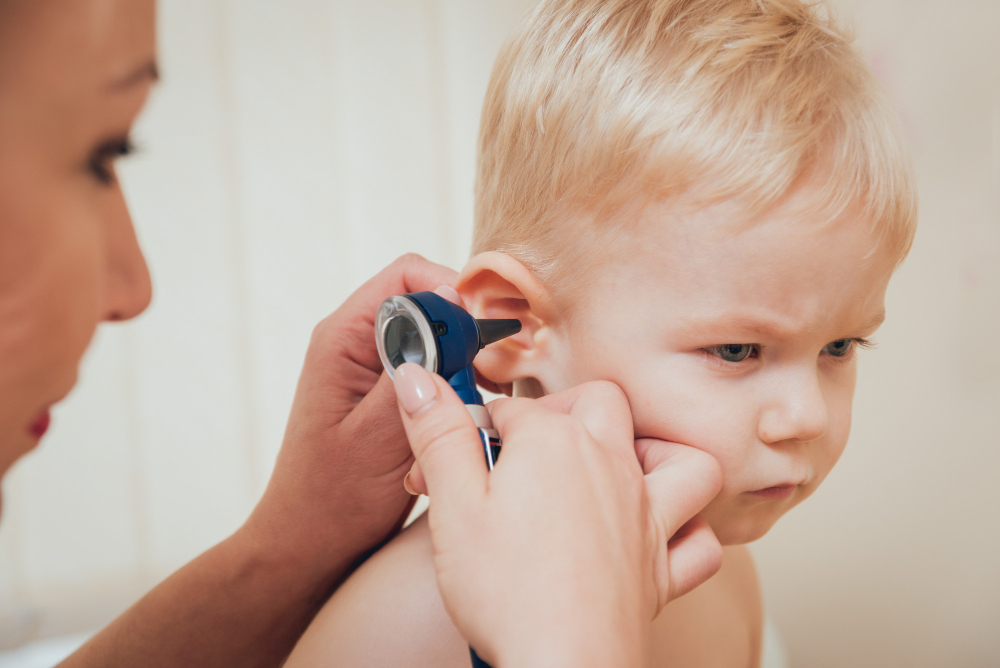
Doctors use a simple tool called an otoscope to look inside your child’s ear. This tool helps them see if the ear is red or has fluid. Sometimes, doctors may use a special test to check how the ear drum moves. In rare cases, hearing tests may be needed. Early diagnosis helps prevent lasting problems.
Treatment Options for Kids
Treatment depends on your child’s age and the infection’s cause. In many cases, ear infections clear up on their own. However, doctors may suggest:
Always follow your doctor’s advice. Do not give antibiotics unless prescribed.
Prevention Tips for Parents
There are ways to lower your child’s risk of ear infections. Try these tips:
These steps can help keep your child healthy and reduce the chance of infection.
When to See a Pediatrician
Sometimes, ear infections need quick medical care. See a pediatrician if your child:
Early treatment can prevent problems like hearing loss or repeat infections.
If you notice any early signs of ear infection in your child, consult Dr. Harish NV for personalized advice.