
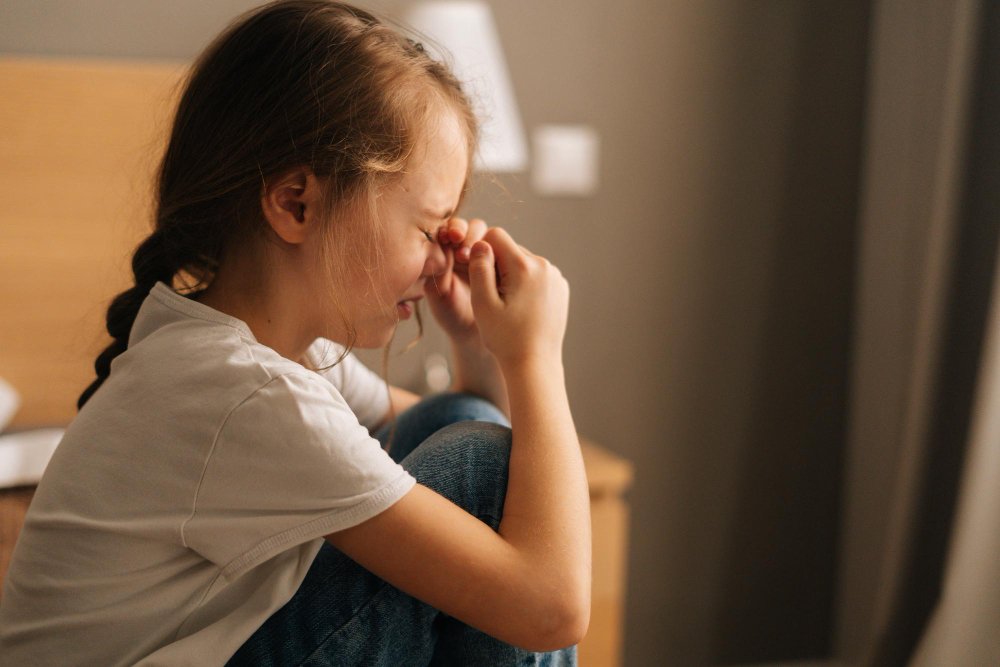
What is Anxiety in Children?
Anxiety in children is a feeling of worry or fear that is strong enough to affect daily life. Many children feel nervous sometimes. However, when these feelings last a long time or get in the way of school, play, or family life, it may be a sign of an anxiety disorder. Understanding anxiety in children helps parents and caregivers support their child’s mental health. Early help can make a big difference.
Common Symptoms of Anxiety in Children
Children show anxiety in many ways. Sometimes, the signs are easy to miss. For example, a child may complain of stomachaches or headaches. Other times, they may avoid certain places or activities. Recognizing childhood anxiety symptoms early can help your child get the support they need.
Because these symptoms can look like other problems, it is important to watch for patterns over time.
Causes and Risk Factors
Many things can cause anxiety in children. Sometimes, it runs in families. Other times, stress at home or school can play a role. Even changes like moving or starting a new school may trigger anxiety. According to the CDC, both genes and environment affect a child’s risk.
While some risk factors cannot be changed, others can be managed with support and care.
How Anxiety in Children is Diagnosed
Diagnosing anxiety in children involves several steps. First, a doctor or mental health specialist will talk with you and your child. They will ask about symptoms, daily life, and family history. Sometimes, teachers or caregivers may also share their observations. In addition, the doctor may use simple checklists or questionnaires. These tools help spot patterns and rule out other problems. Early diagnosis means your child can get help sooner.
Effective Treatment Options
There are many ways to help a child with anxiety. Treatment depends on the child’s age, symptoms, and needs. Most children do well with a mix of support and therapy. According to the American Academy of Child and Adolescent Psychiatry, these are common treatments:
With the right help, most children see big improvements in their anxiety.
Lifestyle Tips and Support for Families
Families play a key role in managing anxiety in children. There are many simple steps you can take at home. For example, keeping a regular routine helps children feel safe. In addition, talking openly about feelings can make a big difference. Here are some tips for parents and caregivers:
Remember, support from family can help children feel more confident and less alone.
Prevention Strategies
While not all anxiety can be prevented, some steps may lower the risk. For instance, building strong family bonds helps children feel secure. Also, teaching problem-solving skills early can prepare children for challenges. Here are some prevention strategies:
By taking these steps, you can support your child’s mental health and well-being.
Conclusion
In summary, anxiety in children is common but treatable. Early signs may include worries, sleep problems, or physical complaints. Causes can be both genetic and environmental. Diagnosis involves talking with a doctor and using simple tools. Treatment often includes therapy, family support, and sometimes medication. With the right help, most children can manage their anxiety and thrive. Consult a pediatrician or mental health specialist at Dr. Harish NV for personalized guidance on anxiety in children.