
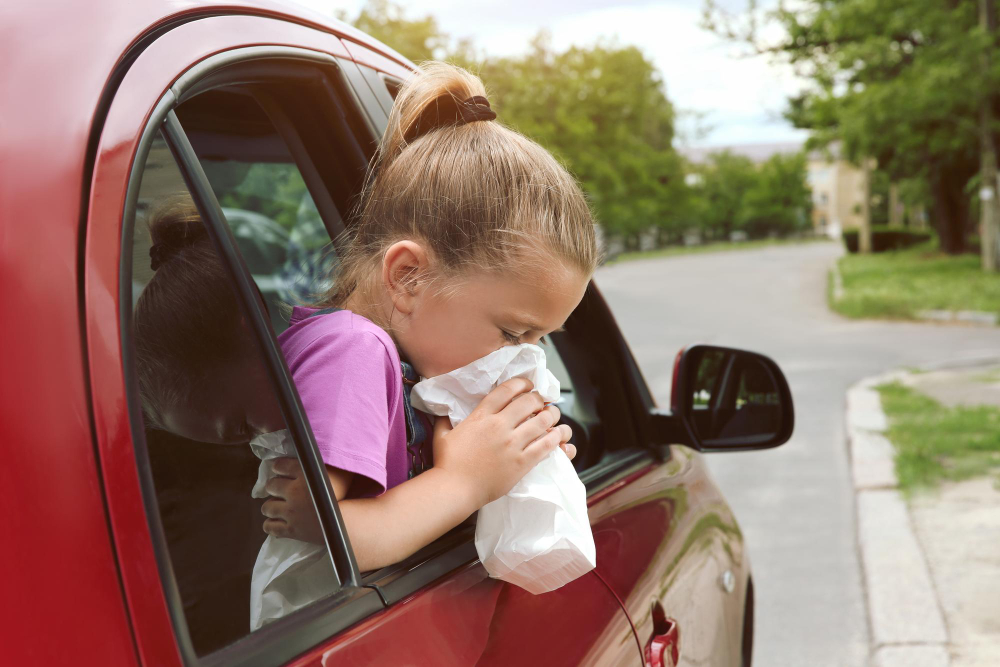
Motion sickness can make travel tough for families. Many parents search for motion sickness prevention tips for parents to help their kids. If you wonder how to prevent motion sickness in children, you are not alone. Kids travel sickness remedies can make trips easier. Helping children with motion sickness is possible with the right steps. In this blog, you will learn what motion sickness is, its symptoms, causes, and how to prevent it. You will also find home remedies and know when to see a doctor.
What is Motion Sickness in Children?
Motion sickness happens when the brain gets mixed signals from the eyes and inner ear. For example, when a child rides in a car, the body feels movement, but the eyes may not see it. As a result, this confusion can cause nausea and discomfort. Children between ages 2 and 12 are more likely to get motion sickness. However, it can happen at any age.
Common Symptoms of Motion Sickness
Children may not always say they feel sick. Therefore, parents should watch for these signs:
Sometimes, children may also become quiet or fussy. Early signs can help you act quickly.
Causes and Risk Factors
Motion sickness happens when the brain gets confusing signals about movement. For instance, reading a book in a moving car can trigger it. Some children are more sensitive than others. Risk factors include:
Knowing these risks can help you plan ahead.
Effective Prevention Tips for Parents
There are many ways to help your child avoid motion sickness. Here are some practical tips:
With these steps, many children feel better during travel.
Home Remedies and Lifestyle Guidance
In addition to prevention, some home remedies may help. For example, ginger (in candies or tea) can ease nausea for some children. However, always check with your doctor before trying new remedies. Other helpful ideas include:
Sometimes, over-the-counter medicines may help, but only use them if your doctor recommends them. According to the CDC, these medicines can have side effects, so use caution.
When to See a Doctor
Most cases of motion sickness are mild and go away after the trip. However, you should contact your doctor if:
Early medical advice can prevent complications and help your child feel better.
In summary, motion sickness can be managed with the right steps. Consult your pediatrician Dr Harish NV for personalized advice on managing motion sickness in your child.