Introduction
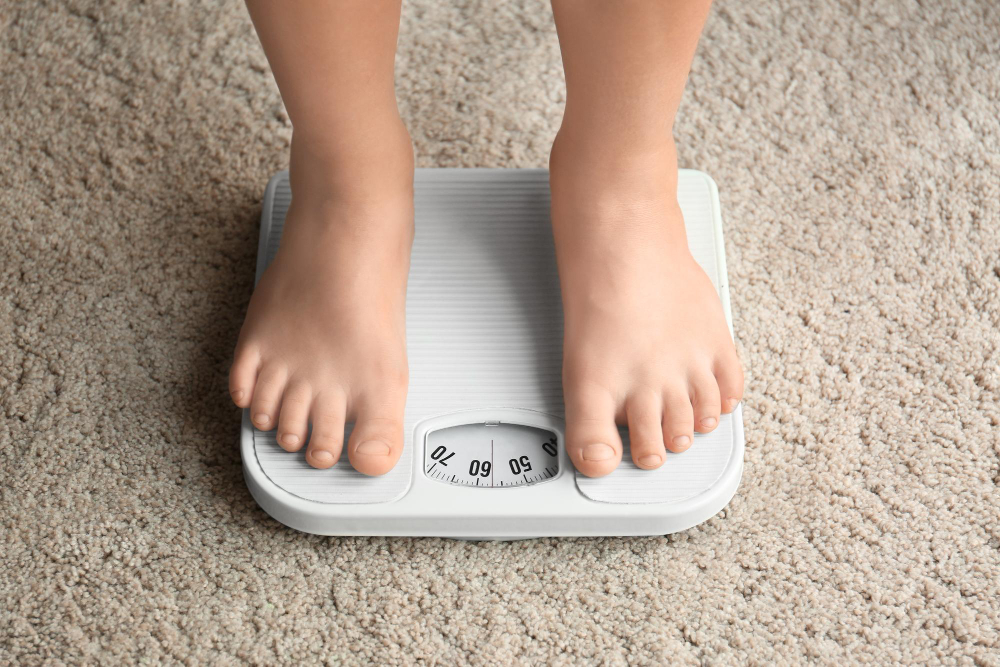
Poor weight gain in children means a child is not gaining weight as expected for their age. This can be a sign that something is affecting their growth. Because healthy growth is important for a child’s brain and body, parents should watch for changes. Early attention to poor weight gain in children helps prevent future health problems. In many cases, simple steps can make a big difference. However, sometimes medical help is needed to find the cause.
What Is Poor Weight Gain in Children?
Poor weight gain in children happens when a child’s weight increases more slowly than normal. Sometimes, doctors call this “failure to thrive.” Usually, doctors use growth charts to track a child’s weight over time. If a child’s weight falls below the third percentile or drops across two major lines on the chart, it may be a concern. For example, a child who was growing well but now is not gaining weight as expected may need extra attention. This does not always mean something serious is wrong, but it is important to check.
Common Symptoms and Warning Signs
Often, poor weight gain in children is not easy to spot right away. Still, there are some warning signs parents can watch for. For instance, you may notice:
Because some children are naturally smaller, it is important to look at the whole picture. If you notice several of these signs, consider talking to your doctor.
Possible Causes
There are many reasons why a child may not gain weight as expected. Sometimes, more than one factor is involved. Common causes include:
Because each child is different, finding the cause may take time. However, early action can help prevent long-term problems.
How Is Poor Weight Gain Diagnosed?
Doctors use several steps to diagnose poor weight gain in children. First, they review your child’s growth chart. This helps them see if your child’s weight is below expected levels. Next, they ask about eating habits, family history, and any symptoms. Sometimes, doctors do a physical exam to check for signs of illness. In some cases, blood tests or other studies may be needed. According to the CDC and WHO, regular growth checks are the best way to spot problems early. If you have growth concerns in kids, keep track of their weight and height at home too.
Treatment and Management
Treatment depends on the cause of poor weight gain in children. Often, doctors suggest changes in diet or feeding routines. For example, adding more calories or offering small, frequent meals can help. Sometimes, a nutritionist or feeding specialist is needed. If a medical problem is found, treating that condition is important. In rare cases, children may need special supplements or hospital care. Always follow your doctor’s advice and ask questions if you are unsure. If your child is not gaining weight or you notice other symptoms, seek help right away.
Prevention and Healthy Growth Tips
Parents and caregivers can support healthy growth with a few simple steps. For instance:
Because every child is unique, some may need extra support. If you are worried about pediatric weight issues, talk to your healthcare provider. Early help can make a big difference.
Conclusion
Poor weight gain in children can be worrying, but many causes are treatable. With early attention and the right support, most children catch up in growth. If you are concerned about your child’s growth, consult pediatrician Dr Harish NV for personalized advice.