
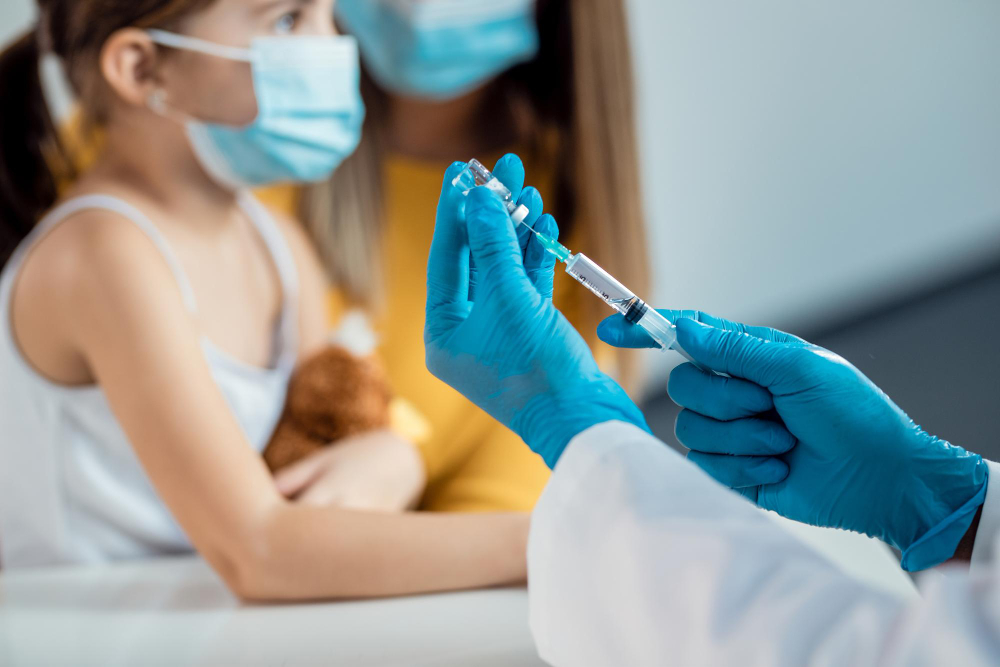
What is HPV and Why is it a Concern for Children?
HPV stands for human papillomavirus. It is a common virus that can infect anyone. Although many people clear the virus on their own, some types of HPV can cause health problems. For example, HPV can lead to certain cancers and warts. Children and teens can get HPV through skin-to-skin contact, even before becoming sexually active. Because of this, early HPV vaccination for children is important. Protecting children before they are exposed to the virus helps prevent future health risks.
How Does the HPV Vaccine Work?
The HPV vaccine helps the body build protection against the virus. It uses a harmless part of the virus to train the immune system. As a result, the body learns to fight off HPV if it is ever exposed. The vaccine does not contain live virus, so it cannot cause HPV infection. Studies show the vaccine is very effective at preventing the types of HPV that cause most cancers and warts. Therefore, getting the vaccine early gives the best chance for protection.
Recommended Age and Schedule for HPV Vaccination
The Centers for Disease Control and Prevention (CDC) recommends HPV vaccination for children starting at age 11 or 12. However, it can be given as early as age 9. The vaccine is given in two or three doses, depending on the child’s age at the first shot:
Starting the series early means fewer shots and stronger protection. For this reason, it is best to follow the recommended schedule.
Benefits of Early HPV Vaccination
Early HPV vaccination for children offers many benefits. First, it protects before any exposure to the virus. Second, younger children respond better to the vaccine. Third, it helps prevent several types of cancer later in life. Some key benefits include:
Because of these reasons, early HPV vaccine benefits are clear and well-supported by research.
Addressing Common Myths and Concerns
Some parents worry about HPV vaccination for children. However, many concerns are based on myths. For example, some think the vaccine encourages early sexual activity. Studies show this is not true. Others worry about safety, but the vaccine has been tested in millions of children worldwide. In fact, health experts agree it is safe and effective. If you have questions, talk to your child’s doctor for accurate information.
Safety and Side Effects of the HPV Vaccine
The HPV vaccine is very safe. Like all vaccines, it can cause mild side effects. These may include:
Serious side effects are rare. Most children recover quickly from mild symptoms. The CDC and World Health Organization continue to monitor vaccine safety. Because of this, parents can feel confident about HPV vaccine safety.
How to Get Your Child Vaccinated
Getting HPV vaccination for children is easy. Most pediatricians and family doctors offer the vaccine. Some schools and health clinics also provide it. To get started:
If you live in a specific area, check with your local health department for vaccine locations. Many insurance plans cover the cost. For families without insurance, programs may help cover the vaccine.
Prevention and Lifelong Health: The Long-Term Impact
HPV vaccination for children is a key step for lifelong health. By protecting early, you help prevent serious diseases in adulthood. Over time, widespread vaccination can lower cancer rates in the community. In summary, early protection leads to better health for your child and others. Do not wait—early action makes a big difference.
Consult your pediatrician Dr Harish NV to learn more about HPV vaccination for your child.