What is Kawasaki Disease?
Kawasaki Disease is a rare illness that mostly affects children under five years old. It causes swelling in blood vessels throughout the body. Because it can lead to serious heart problems, early treatment is very important. Although Kawasaki Disease is found worldwide, it is more common in East Asian countries, especially Japan. However, cases are seen in the United States and other regions as well. Parents and caregivers should know the signs of Kawasaki Disease to help protect their children’s health.
Common Symptoms of Kawasaki Disease
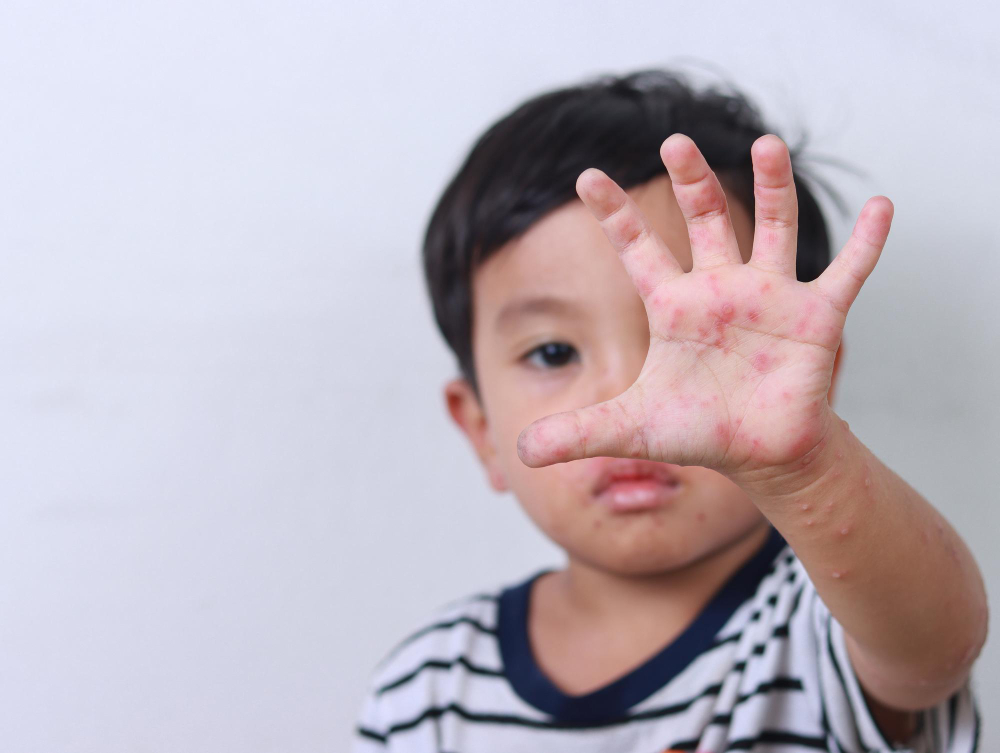
Early symptoms of Kawasaki Disease can look like other common illnesses. Still, some signs are unique and should not be ignored. Watch for these symptoms:
Sometimes, children may also feel very tired or irritable. Because these signs can appear in stages, it is important to watch for changes over several days.
Causes and Risk Factors
Doctors do not know the exact cause of Kawasaki Disease. However, it is not contagious and does not spread from child to child. Some factors may increase the risk:
Although the cause is unclear, experts believe that genetics and the immune system may play a role. According to the CDC and WHO, ongoing research is looking for more answers.
How Kawasaki Disease is Diagnosed
Because there is no single test for Kawasaki Disease, doctors use a mix of exams and tests. First, they check for key symptoms. Next, they may order blood tests to look for signs of inflammation. In addition, doctors often use heart tests, such as an echocardiogram, to check for problems with the heart or blood vessels. Sometimes, other illnesses must be ruled out before making a diagnosis. Early diagnosis helps prevent serious heart issues, so it is important to see a doctor if you notice symptoms.
Treatment Options for Kawasaki Disease
Treatment for Kawasaki Disease should start as soon as possible. Early care lowers the risk of heart problems. The main treatments include:
Most children respond well to treatment and recover fully. However, some may need further care if heart problems develop. Doctors will monitor your child’s heart health with regular check-ups and tests.
Prevention and Home Care Tips
Currently, there is no known way to prevent Kawasaki Disease. Still, you can help your child recover at home by following these tips:
Because early care is key, always contact your doctor if you have concerns about your child’s health.
When to See a Doctor
If your child has a high fever for more than five days, or if you notice several signs of Kawasaki Disease, seek medical help right away. Quick treatment can prevent serious heart problems. Even after treatment, keep an eye on your child’s health and follow your doctor’s advice for follow-up care.
If you notice symptoms of Kawasaki Disease in your child, consult Dr. Harish NV, a pediatric specialist, for personalized care.