Introduction
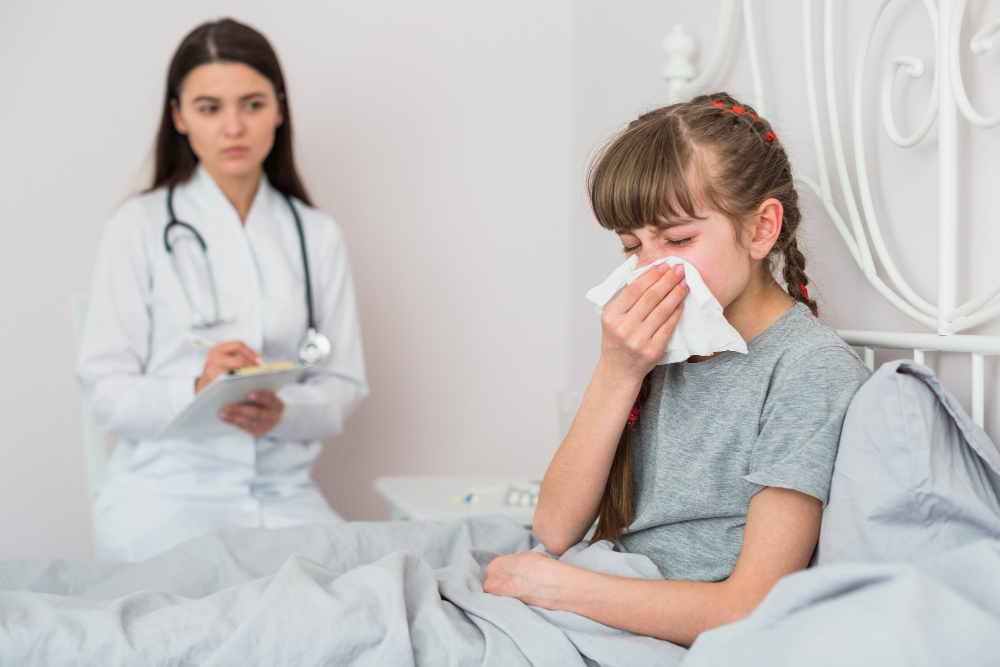
Many children get a cold, cough, and sore throat each year. These symptoms are common, especially during colder months. The phrase “cold, cough & sore throat in children” often worries parents. However, most cases are mild and can be managed at home. Still, it is important to know when home care is enough and when to see a doctor. This guide will help you understand the signs, causes, and best care options for your child.
Common Symptoms of Cold, Cough & Sore Throat in Children
Children may show different symptoms when they have a cold, cough, or sore throat. Often, these symptoms appear together. Knowing what to look for can help you decide on the right care.
Sometimes, children may also have watery eyes or mild body aches. But most symptoms are mild and improve within a week.
Causes and Risk Factors
Most colds, coughs, and sore throats in children are caused by viruses. For example, the common cold is often due to rhinovirus. Sometimes, other viruses like influenza or RSV can also cause these symptoms. Rarely, bacteria may be the cause, especially in cases of strep throat.
Some children are at higher risk of getting sick. For instance, those who attend daycare or school are exposed to more germs. Children with weak immune systems or chronic health problems may also get sick more often.
When is Home Care Appropriate?
In many cases, you can care for your child at home. If your child has mild symptoms and is eating, drinking, and playing, home care is usually safe. Most colds and coughs get better on their own within 7 to 10 days.
However, you should watch for any changes. If symptoms stay mild and your child seems comfortable, home remedies can help.
Effective Home Care Tips
There are many safe ways to care for your child at home. These tips can ease symptoms and help your child feel better:
Always check with your doctor before giving any over-the-counter medicine. Never give cough or cold medicines to children under 6 years old, as advised by the CDC.
Warning Signs: When to Visit a Doctor
Sometimes, a child’s symptoms may be more serious. You should see a doctor if your child shows any of these warning signs:
If you are unsure, it is always best to call your child’s doctor for advice. Early care can prevent problems from getting worse.
Diagnosis and Medical Treatment Options
Doctors usually diagnose a cold, cough, or sore throat by asking about symptoms and doing a simple exam. Sometimes, they may do a throat swab to check for strep throat or other infections. Blood tests or chest X-rays are rarely needed.
Most viral infections do not need antibiotics. However, if your child has a bacterial infection, such as strep throat, the doctor may prescribe antibiotics. Other treatments may include:
Always follow your doctor’s advice and complete any prescribed medicine.
Prevention Tips for Parents
There are simple steps you can take to lower your child’s risk of getting sick. These tips can help prevent colds, coughs, and sore throats:
These steps can help keep your child healthy, especially during cold and flu season.
Frequently Asked Questions
How long does a cold last in children?
Most colds last 7 to 10 days. Sometimes, a cough may last a bit longer, but symptoms should slowly improve.
When to see a doctor for child’s sore throat?
See a doctor if your child has a sore throat with high fever, trouble swallowing, or if symptoms last more than a week.
Are home remedies for child’s cough safe?
Many home remedies, like honey (for children over 1 year) and warm fluids, are safe. However, avoid over-the-counter cough medicines for young children.
What is pediatric cold care?
Pediatric cold care means caring for your child’s cold with safe home tips and knowing when to get medical help.
Can I prevent my child from getting sick?
While you cannot prevent all illnesses, good handwashing, healthy habits, and vaccines can lower the risk.
Conclusion
Most cases of cold, cough, and sore throat in children are mild and get better with home care. However, it is important to watch for warning signs and know when to see a doctor. If your child’s symptoms worsen or you are unsure, consult Dr. Harish NV for personalized advice.