What Is a Fever in Children?
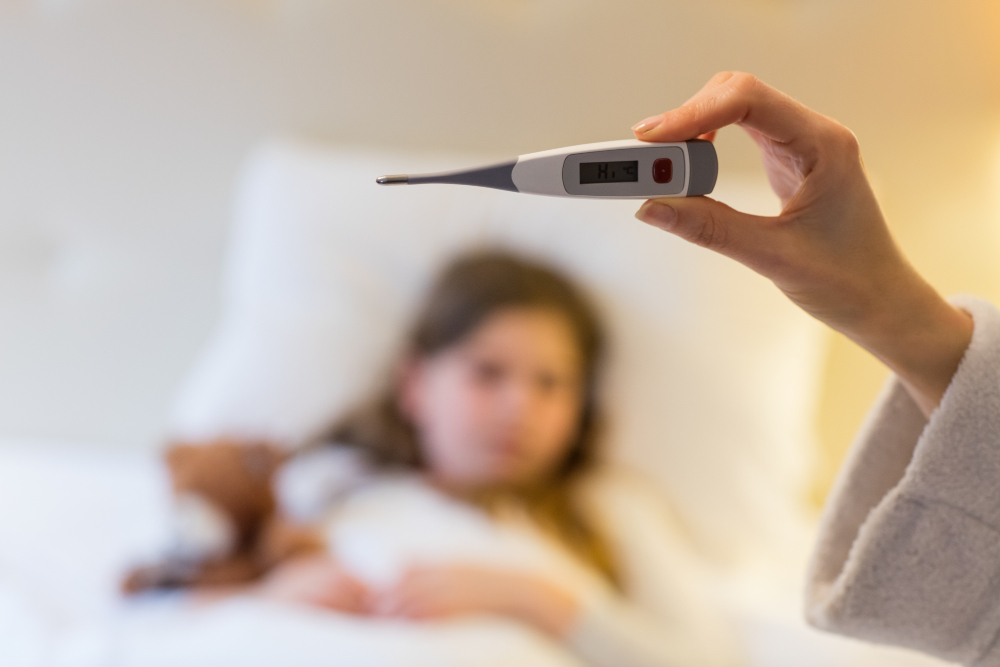
Fever in children means a body temperature higher than normal. Usually, a child’s normal temperature is about 98.6°F (37°C). However, a fever is often defined as a temperature of 100.4°F (38°C) or higher. Many parents worry when their child has a fever. But, not all fevers are dangerous. Still, it is important to know when a fever in children is serious. This helps parents and caregivers act quickly when needed.
Common Causes of Fever in Children
Most fevers in children are caused by infections. For example, viruses are a common reason. Sometimes, bacteria can also cause fever. Other causes include:
Although most fevers are not serious, some can signal a bigger problem. Therefore, knowing the cause helps you decide what to do next.
Symptoms: When to Worry About a Child’s Fever
Sometimes, a fever is just a sign that the body is fighting an infection. But, certain symptoms mean you should worry. Watch for these warning signs:
If you notice any of these, call your doctor right away. High fever in kids, especially with these symptoms, can be serious.
How to Measure and Monitor Fever at Home
It is important to check your child’s temperature the right way. You can use a digital thermometer. For babies under three months, use a rectal thermometer for best results. For older children, you can use an oral, ear, or forehead thermometer. Always follow the instructions on your thermometer. In addition, write down the temperature and the time you took it. This helps your doctor if you need to call.
By monitoring fever at home, you can spot any changes early.
Diagnosis: When to See a Doctor
Sometimes, you need to see a doctor for a child’s fever. But, when should you call? Here are some clear signs:
According to the CDC and WHO, these are important warning signs. If you are unsure, it is always better to call your doctor for advice.
Treatment and Home Care Tips
Most fevers in children can be managed at home. Here are some helpful tips:
However, always follow your doctor’s advice for medicine and care. If your child’s fever does not improve, seek medical help.
Prevention and Healthy Habits
While you cannot prevent every fever, you can lower the risk. Try these healthy habits:
By following these steps, you help protect your child from many common infections.
Frequently Asked Questions (FAQs)
What temperature is considered a high fever in kids?
A high fever in kids is usually 104°F (40°C) or higher. If your child has a high fever, call your doctor.
When should I call the doctor for my child’s fever?
Call the doctor if your child is under three months with any fever, has a fever over 104°F, or shows warning signs like trouble breathing or seizures.
Can teething cause a fever?
Teething may cause a mild rise in temperature, but it does not cause high fever. If your baby has a high fever, look for other causes.
How long does a fever last in children?
Most fevers from viral infections last two to three days. If the fever lasts longer, see your doctor.
Is it safe to give my child fever medicine?
Yes, you can give acetaminophen or ibuprofen if your doctor says it is safe. Never give aspirin to children.
If your child has a persistent or high fever, consult Dr. Harish NV for personalized care.